Cold Weather Camping
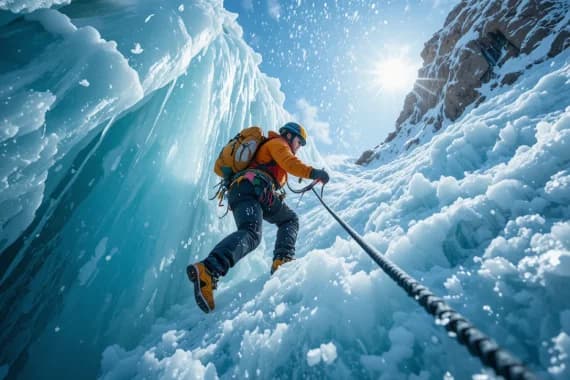
When temperatures fall below freezing, preparation becomes survival. Cold weather camping rewards those who obsess over layers, nutrition, and backup plans.
Layer With Intention
Your base layer manages moisture, mid-layer traps heat, and shell blocks wind. Invest in merino wool, synthetic puffers, and waterproof breathable shells. Cotton is banned—it holds water and accelerates heat loss.
- Pack at least two base layers so you can rotate a dry set for sleeping.
- Choose mittens over gloves if windchill falls below -10°C; they preserve more warmth.
- Vent your shell during climbs to prevent sweat from freezing once you stop moving.
Dial In Your Shelter
Four-season tents, insulated sleeping pads, and expedition-rated bags are non-negotiable. Pair a closed-cell foam pad with an inflatable one to prevent conductive heat loss.
If your sleeping bag isn’t warm enough, nothing else matters.
Isabella Rossi
Shake snow off the tent before crawling in, keep a dry pair of socks just for sleeping, and store batteries in your inner pockets so they don’t drain overnight.
Fuel the Fire
High-calorie meals and warm drinks keep your metabolism roaring. Pack dehydrated stews, nut butters, and a reliable stove with winter fuel.
- Eat a hot meal before bed to generate long-lasting warmth.
- Carry an insulated bottle and store it upside down so the lid doesn’t freeze shut.
- Pre-pack snacks in easy-access pockets; gloves make packaging impossible.
With the right kit and mindset, winter camps transform into sparkling, silent retreats. Cold is a challenge—but also the secret to seeing popular sites without crowds.